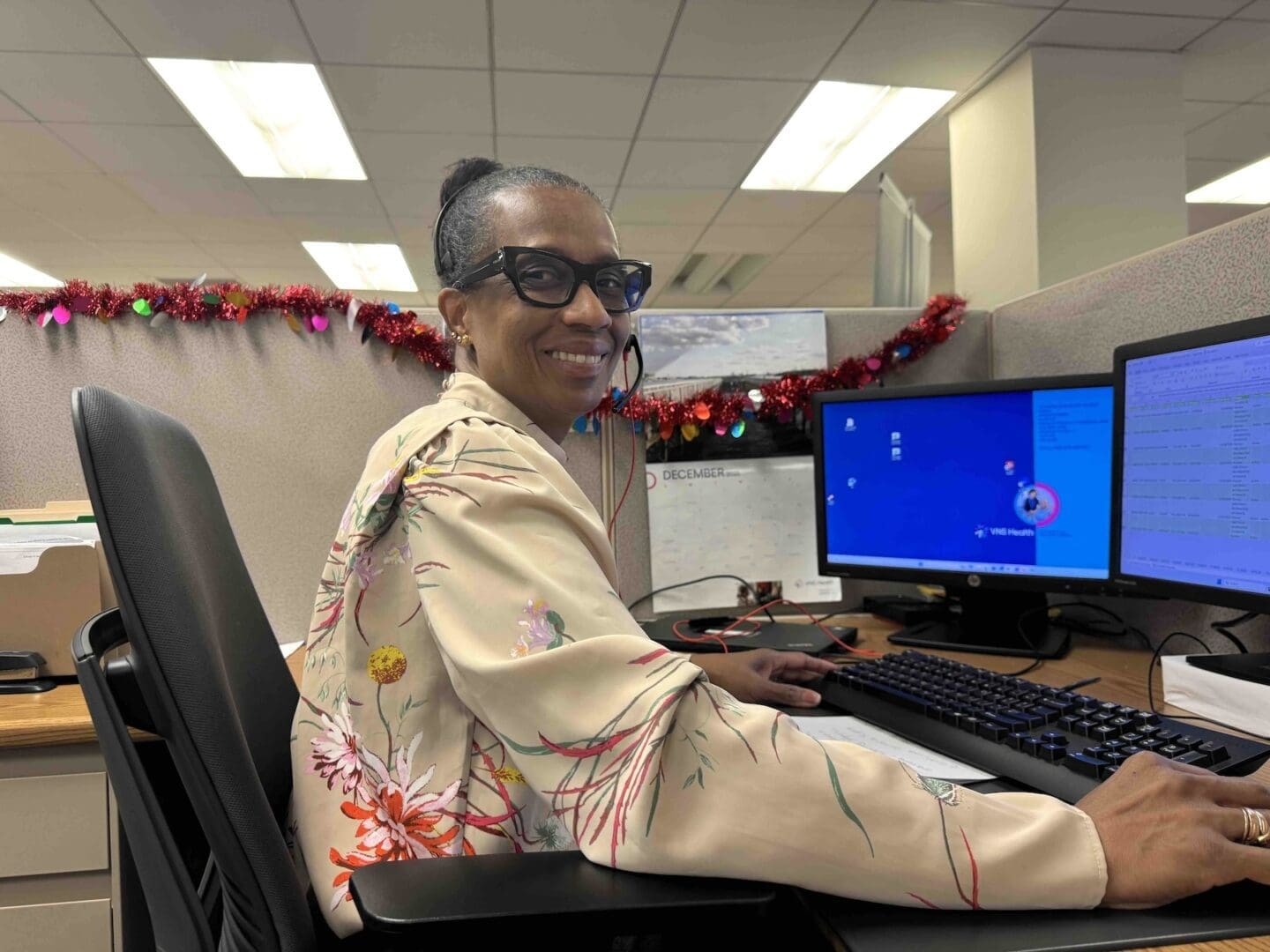
Building Relationships—A Day in the Life of HHA Supervisor Sally Kirton
Sally Kirton is a Home Health Aide (HHA) Supervisor for VNS Health Personal Care. As an HHA Supervisor, she manages the Home Health Aide services of clients who live in Brooklyn and Staten Island—an area that includes some of New York City’s most out-of-the-way neighborhoods to travel to, such as Coney Island.

Sally is responsible for ensuring that all her assigned clients—many of whom are also enrolled in one of our Health Plans—have the HHA support they need to live safely at home. This includes making sure a replacement is found when an HHA team member is unable to work that particular day, that new cases are appropriately staffed, and that both our clients and our HHA team members are satisfied—all of which requires a great deal of problem-solving and relationship-building.
Back in September at our Personal Care Awards ceremony, Sally received our Supervisor Superstar Award. It’s easy to see why when she describes her typical day.
7:30 a.m.
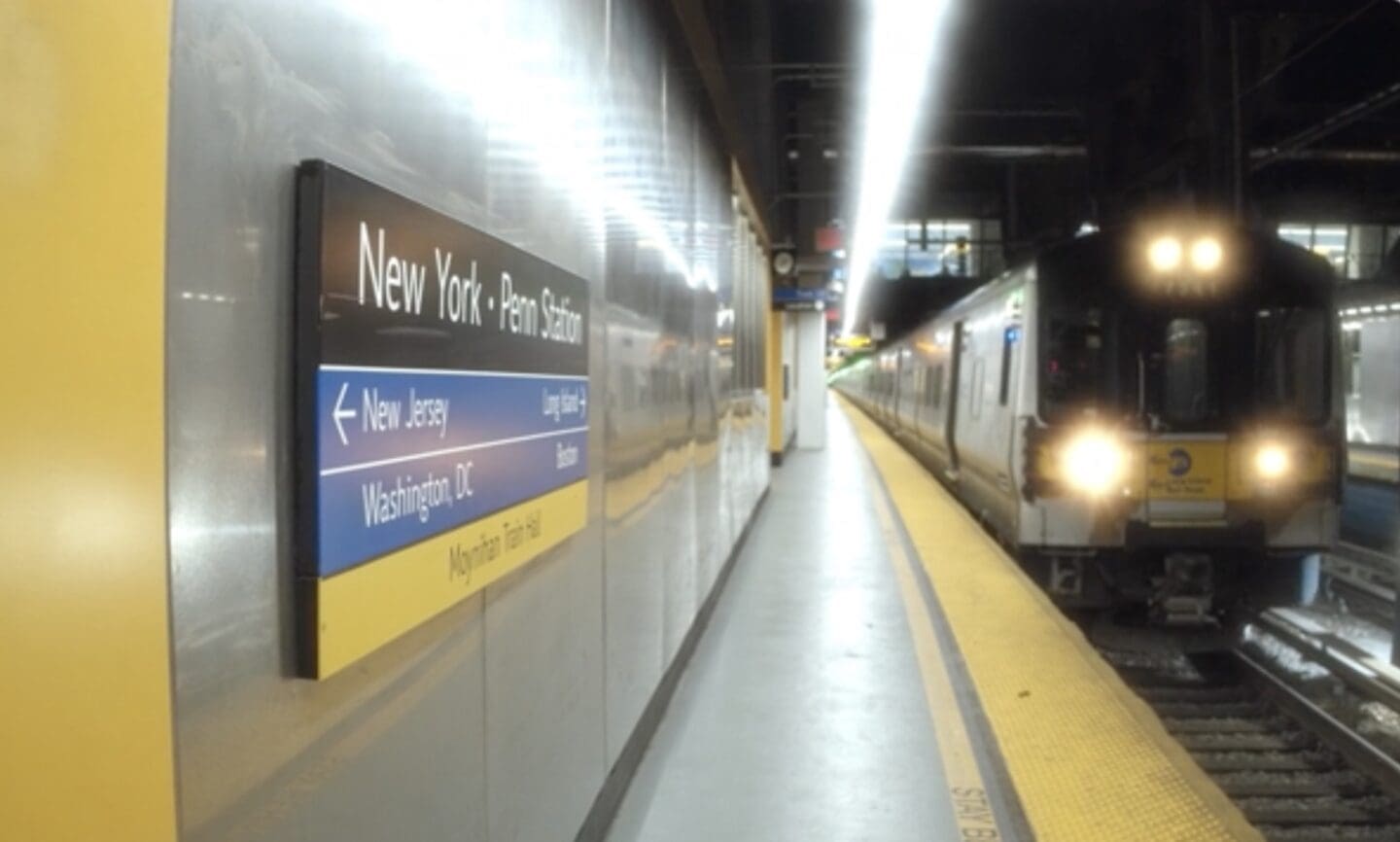
I take the train to work each day from Long Island. I like to arrive in Manhattan early so I can get a walk in on the way to 5 Penn Plaza, where our Personal Care office is located. Walking opens my mind and lets me focus on the first thing I’m going to do when I get to my desk.
8:00 a.m.
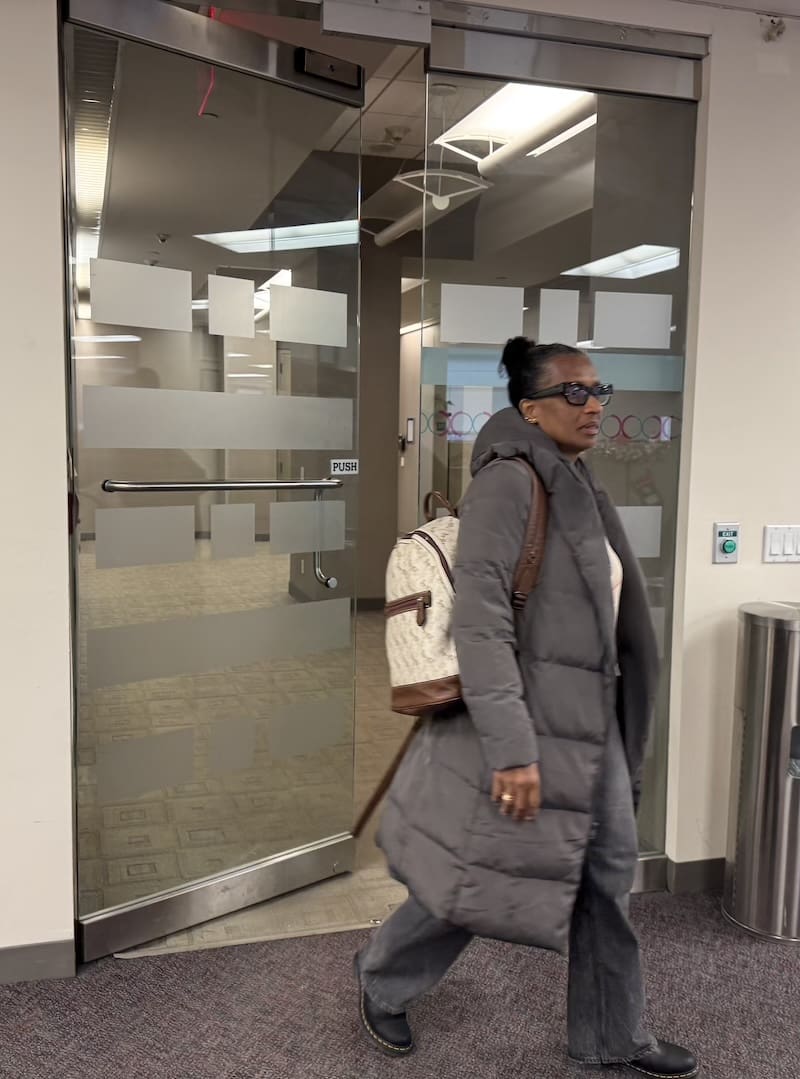
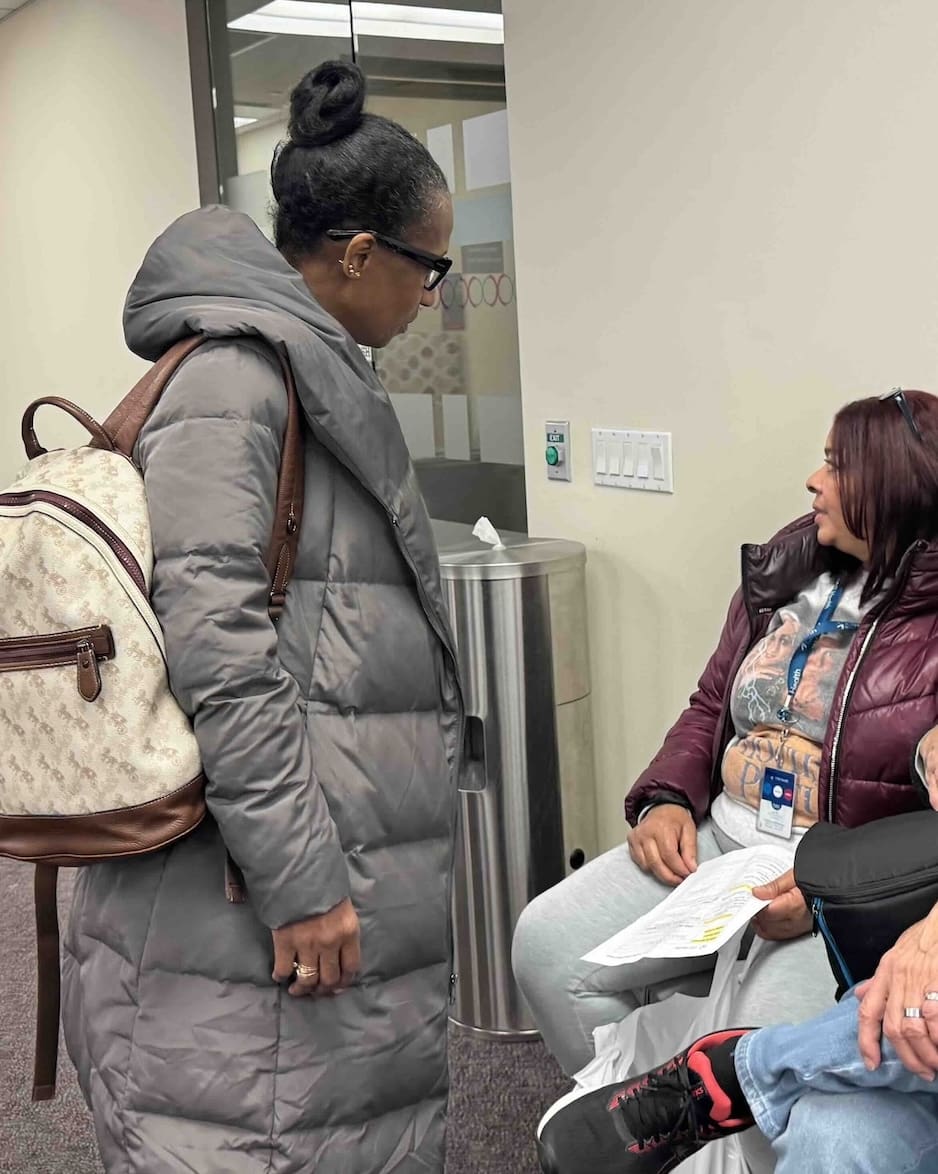
When I arrive at 5 Penn Plaza, I take the elevator up to Personal Care on the 20th floor. There might be a Home Health Aide or two waiting outside the door. If so, I’ll introduce myself and let the HHA know we have a reception area where they can get some coffee or tea. Then I go to my desk and turn on my computer. While it boots up, I’ll make myself a coffee and check emails.
8:30-10:30 a.m.
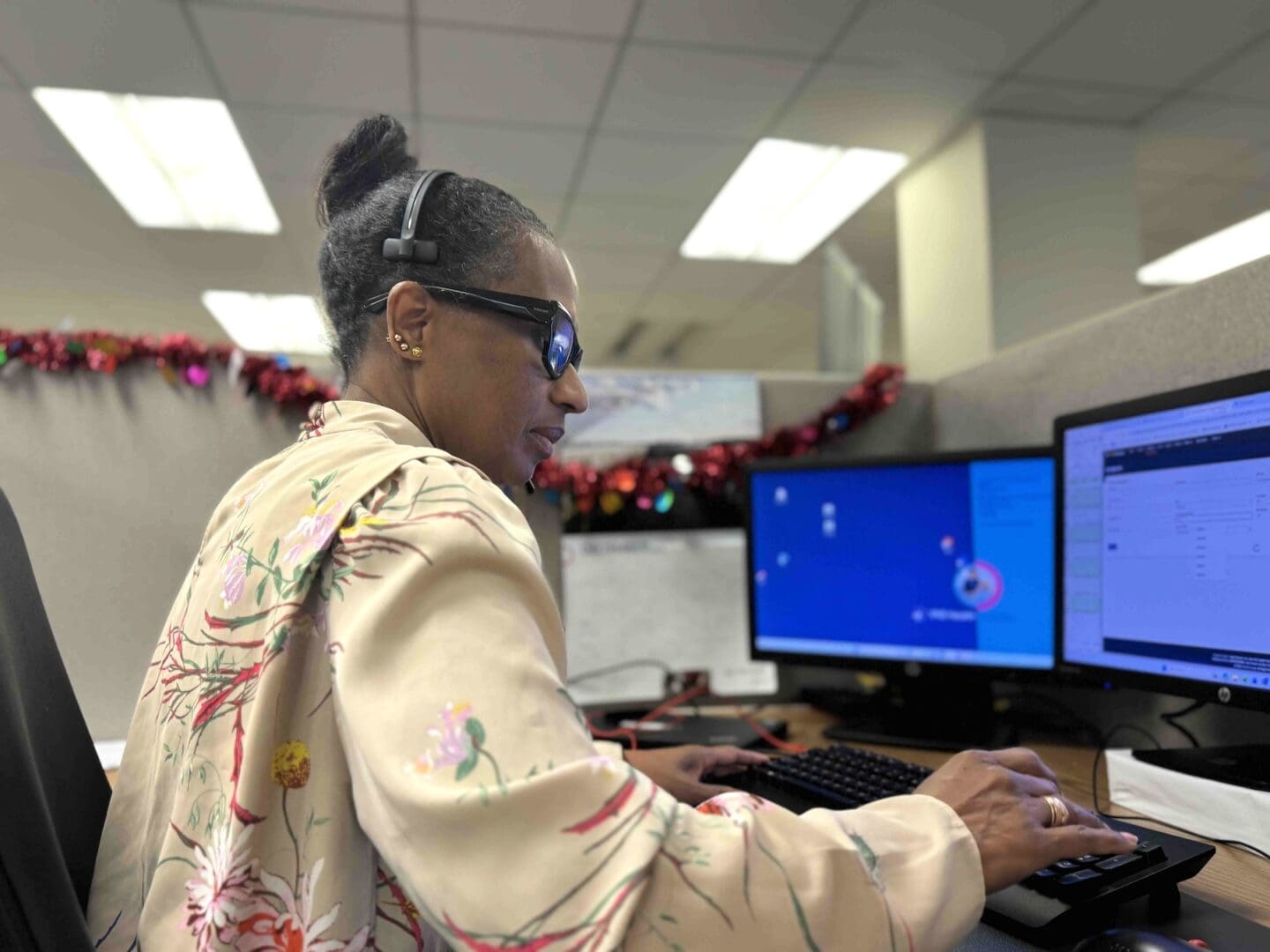
This is the busiest time of the day. I’m juggling calls, emails, Home Health Aides’ needs, and schedules. I check to see if the HHAs have clocked in for their cases and touch base with any clients as needed. I can tell how my day will go by looking at my open orders. Did any aides call and say they couldn’t work today? Do I have someone in mind to fill in for them? Maybe I spoke to an aide the day before, and I know she’s looking for more hours. I call the clients, too, to let them know we are looking for a replacement aide. I tell them, “I’m here now, and I’m working on it.”
The way that CareConnect, our scheduling software, works is that we bid on cases. I try to sign in early to grab the cases, then I work to get the available HHAs as quickly as I can so I can match them to the open cases. I also try to work on matching HHAs to clients who need an aide later in the week. If you wait until the last minute, a lot of the HHAs will already be assigned. I try to be empathetic and put myself in the HHA’s place. They are looking for more hours and want to plan ahead, so I try to help them do that.
When I’m assigning an HHA to an open case, I try my best to call in advance, introduce myself, and let the HHA know what’s expected of them. I always encourage them to make a good first impression: Be at the door before your time, be in uniform, introduce yourself. I want them to know that they represent the organization, and to show up for us and show who we are. Our HHAs are us. They are VNS Health.
10:30 a.m.

Once I don’t have any more open orders for the day, I’ll look at cases going forward and start on weekend orders. Throughout the day we’re also getting new cases. How many varies—it could be one, two, four. When a new case comes in, the first thing I do is contact the client, introduce myself, and give them information on the number of days and hours of HHA support they’re authorized for. I’ll also find out if there are pets or smokers in the home. That helps me match an aide to the client. If it’s a difficult case, I’ll look for an aide who has some experience. You can see how many years of experience each HHA has on CareConnect.
Over the course of the morning I also look at my pre-billing, which closes Tuesday at noon. Monday and Tuesday mornings, I’ll check to make sure all the aides have clocked in and out, so they can be paid properly. Later in the week, on Thursday and Friday, I start looking at the week before, to get a sense of how many outstanding bills I have.
11:30 a.m-11.:45
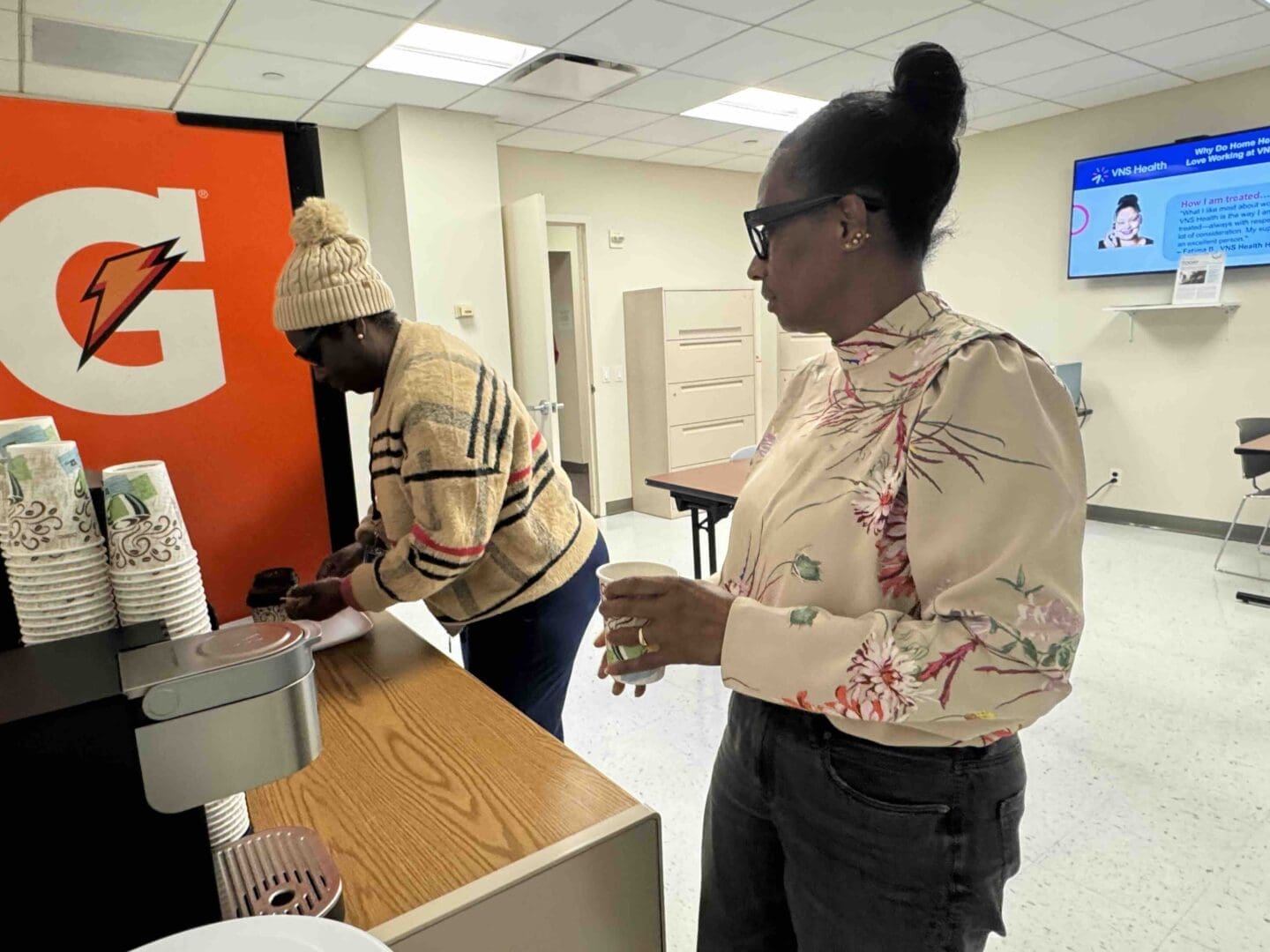
I take my fifteen-minute break and grab something to eat. Then I’ll continue to capture phone calls and check emails. I also do attendance every hour, making sure all HHAs are clocked in.
1:15-2:00 p.m.

My actual lunch break is mostly spent on the streets walking, often with a colleague or two. I especially like to walk around Hudson Yards—it’s so beautiful. In the summer, I also like to sit on the roof of our building. If the weather’s bad, I’ll sit inside on the second floor with a view of 33rd Street and 8th Avenue. I also call my kids (ages 24, 29 and 30) during this time and check in with them. (Yes, every day!)
2:00-4:00 p.m.
Following my lunch break, I call more clients and aides. I really like dealing with people. My role as an HHA Supervisor is essentially customer service. It’s all about building relationships with clients and aides—letting them know they can call you any time.
I love my job—it requires a very wide perspective. I’m thinking about the client who needs support and their HHA needs; I’m thinking about the business side; and I’m thinking about the aides, and how I can help them get the work they want.
Before I leave for the day, I make sure all my cases are placed for the next day and all clients are informed about who will be caring for them tomorrow. It’s important to let the client know who’s coming if they’re going to have a replacement. It usually all work out well. When you have good relationships and know your aides, you know that the next morning everything will be fine.