
You’ve Heard About the Coronavirus Outbreak — Here’s What You Need to Know About It
 Since the first reports appeared in late December that a new type of human coronavirus, 2019-nCoV, was active in the city of Wuhan, China, over 100 people have died from the flu-like virus—most of them over 60 or with preexisting illnesses. During that time, the coronavirus has infected thousands of people in China and has also spread to other countries, including the U.S., where five cases have been identified so far. The virus does not pose a major threat to the U.S. at present. A CDC spokesman noted on Monday, January 27th that “2019-nCoV is not spreading in the U.S. at this time. CDC continues to believe the risk to the U.S. public is now low.” At the same time, we urge all VNSNY employees to take precautions.
We will continue to update you on the situation as it develops. Meanwhile, the following Q&A will help explain what you can do to protect yourself and others from the virus.
What is a coronavirus?
Coronaviruses are a large group of viruses that are common among animals. In rare cases, they may cross over from animals to humans and can then be transmitted from human to human going forward. They range in severity from versions of the common cold to more dangerous respiratory viruses like 2019-nCoV. The MERS and SARS viruses are other examples of dangerous coronaviruses that have been involved in human outbreaks. All healthcare facilities and healthcare providers in the U.S. have been instructed to screen patients for 2019-nCoV, which includes taking the travel history of patients who present with respiratory symptoms and fever. Any patients with fever, respiratory symptoms, and recent travel to Wuhan, China are then tested for 2019-nCoV by the CDC laboratory. Hospitals will not release any patient with suspected or confirmed 2019-nCoV.
Why is there so much concern about this virus?
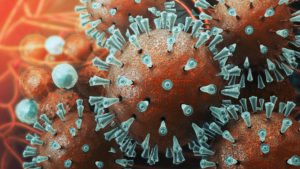
MERS (Middle East Respiratory Syndrome) virus
The concern is that this novel coronavirus could result in an outbreak similar to the MERS and SARS outbreaks.
Have any cases of the coronavirus been reported in New York?
No—there have not been any confirmed cases of 2019-nCoV in New York State. We also want to reassure all VNSNY home care clinicians that VNSNY is monitoring the situation closely, and there is no need to panic.
How is the coronavirus transmitted?
According to the CDC, human coronaviruses most commonly spread from an infected person to others through the air by coughing and sneezing; through close personal contact, such as touching or shaking hands; or from touching an object or surface with the virus on it, then touching your mouth, nose, or eyes before washing your hands.
Has anyone in the U.S. died from the coronavirus?
No. To date, nobody outside of China has died from the current coronavirus outbreak.
What are the coronavirus’s symptoms?
In most people, a coronavirus will cause a mild to moderate upper respiratory tract illness, similar to a common cold. Symptoms include a runny nose, cough, sore throat, shortness of breath, and possibly a headache and/or fever, which can last for a couple of days. For those with a weakened immune system, however, such as the elderly and the very young, the virus can cause a more serious respiratory illness. Severe cases of coronavirus can lead to pneumonia, kidney failure and even death. The CDC believes symptoms of 2019-nCoV can manifest two to 14 days after exposure. At this time, no drugs or vaccines have been recommended specifically to treat the virus.
What’s being done to prevent the coronavirus from spreading?
To help prevent the 2019-nCoV virus from spreading, travel from affected areas in China has been sharply restricted. The U.S. is now conducting intensive health screening of all travelers on incoming flights from China at 20 airports, including JFK International Airport.
If the coronavirus does come to our area, what should I do to avoid catching it?
In general, doctors advise doing what you do every cold and flu season to protect yourself: Avoid close contact with anyone showing symptoms of respiratory illness, such as coughing and sneezing; and wash your hands often with soap and water for at least 20 seconds, or use alcohol-based hand sanitizer, especially after your skin comes in contact with commonly touched surfaces such as subway poles and handrails, public doorknobs, and stairway handrails.
I got my flu shot. Will that protect me against the coronavirus?
No, but it will protect you against other flu strains, which is still critically important. The common flu kills tens of thousands of people and causes hundreds of thousands more to be hospitalized each year in the U.S. alone—so if you haven’t gotten your flu shot yet, it’s not too late to get one, and important that you do. Get it for yourself, your family, your colleagues, and our patients and members.
Scientists are also hard at work on a vaccine for the 2019-nCoV coronavirus. They have already sequenced the virus’s genome, and they anticipate that a 2019-nCoV vaccine could be ready for human testing in as little as three months. Even then, though, it will probably be at least a year before the vaccine is available to the public.
Will wearing a face mask protect me from catching the coronavirus?
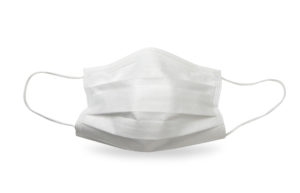
Evidence is limited as to how effective surgical masks are for protecting persons wearing them against viruses. An off-the-shelf respiratory surgical mask may provide some protection against infection by reducing the chances of directly breathing in droplets containing the virus, but the virus can still enter a person’s body through the edges of the mask or through the eyes. More effective is the N95 respirator, which has been proven to filter out approximately 95% of pollutants. The CDC also recommends that people with respiratory symptoms wear face masks to contain their own secretions.
If you choose to wear a mask, wear it consistently when there is a risk of infection. Don’t let the mask give you a false sense of security, though—while wearing one, you should still perform hand hygiene frequently, keep your distance from people who are coughing or sneezing, and be careful not to touch your mouth, nose, or eyes after touching objects that could have been contaminated.
How should face masks be used?
Any face mask should be worn properly, with a snug fit over the mouth, chin and nose and the absorbent (non-colored) side facing in. When removing the mask, it should be treated as if it’s contaminated. Pull off the mask by the straps around the ears, and never just lower it from the mouth. Perform hand hygiene immediately after removing the mask.
As a clinician, what specific steps should I be taking in the field to protect myself and my patients?
Patients with confirmed or suspected coronavirus 2019-nCoV are cared for in hospital airborne isolation rooms. Healthcare workers who may be providing care to patients with confirmed or suspected 2019-nCoV, in addition to standard precautions, should practice contact precautions, airborne precautions, and use of eye protection. In the community, practice standard precautions with all your patients, including: hand hygiene before and after contact with the patient and their environment; encouraging persons with respiratory symptoms to wear surgical masks to contain secretions; and practicing cough etiquette.
Who at VNSNY can I contact for more information about the coronavirus?
For more information, please contact Victoria Adams, VNSNY’s Infection Preventionist, by email at: [email protected]
As a healthcare worker, what else should I know about the coronavirus?
Click on this link to see the CDC’s detailed recommendations for healthcare professionals regarding the virus.


