
Frontline asked: What works best when communicating with patients / members / clients?

Billy Campbell
Physical Therapist
Home Care – Manhattan
“In order to communicate well with patients, I make sure I look presentable, show up on time, and give my full attention. I listen to what the patient is saying regarding what they are having difficulty with and then discuss ways to meet their needs. This builds good rapport and leads to a positive patient-clinician relationship.”

Trys Ransome
Quality Assurance Specialist
VNSNY CHOICE
“I have found that when a member knows you are listening, empathizing and understand their concerns, they are more open to the solutions you present to them. Our members want to know there is someone on the other end of the line willing to listen and help them to the best of their abilities.”
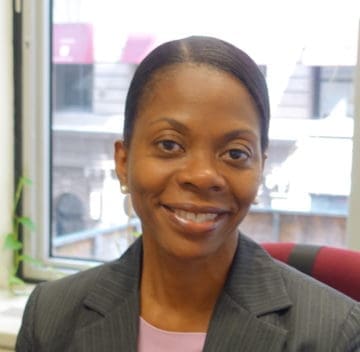
Arna Brammer
Interdisciplinary Care Team Leader
Home Care – Bronx
“In my experience, the most important aspect of communication is listening. Our patients and caregivers want to be heard. Listening carefully and allowing them to voice all their concerns helps me to understand how to best meet their needs. Effective communication is the core of patient safety and is aligned with the patient’s goals and treatment plan.”
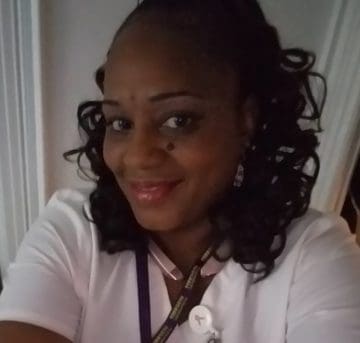
Christine Jordan
Home Health Aide
Partners in Care
“You have to listen to what they’re really saying. From there you can assess in your mind, ‘OK, is there something that I can do to help them? And then you can give them your suggestions. You have to support the patient and let them know you understand, and that there are other options if they’d like to hear them.”

Steve Wong
Physical Therapist
Home Care – Manhattan
“First of all, I speak slowly and clearly on the phone to make sure my patients and their families know who they are talking to. When I’m with them in person, I also speak slowly and clearly and I keep the message simple so that they are not overwhelmed and will remember what was discussed. If I need them to remember what I’ve taught them, I will choose the most important thing instead of many to remember. To help build a good rapport, I also inform them that I am there to work with them, not to tell them what to do.”
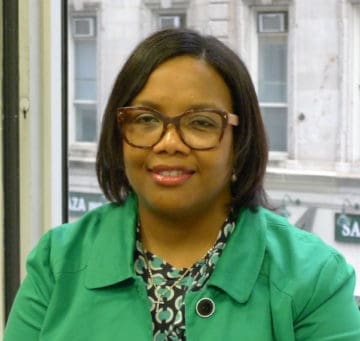
Rochelle Pinnock-Herring
Interdisciplinary Care Team Manager
Home Care – Brooklyn
“What I find works best is first to clarify my role and the topic we’re talking about. For instance, if I’m speaking to a patient on the phone, the first thing I do is make it clear who I am, so they know who they’re speaking to. I allow them time to express what their needs are, and then I answer them to their satisfaction, if possible. If I can’t, I give them the reason why I’m unable to, and then provide a timeline for when I’ll get back to them.”

Joseph Mannion
Lead, Customer Service Specialist
Customer Care Center
“I believe the best way to communicate with our patients is to listen to the person’s needs. Having an open ear, and being empathetic and compassionate about their call, makes the patient feel that he or she is truly appreciated and cared about. I try to treat every person as if they are a family member. I find that going the extra step to make sure the patient or caller is comfortable, and that they know I am fully invested in their well-being and care, goes a long way.”
To see other Roving Reporter articles, click here.