How Will the New Administration in Washington Impact Health Care and VNS Health?

A new administration in Washington often means new Federal health care policies. With President Trump taking the presidential oath of office yesterday, what changes will there be and how will they affect VNS Health? Frontline put these questions to Dan Lowenstein, Senior Vice President and head of our Government Affairs (GA) team.
We now have a new president who’s bringing in his own cabinet, including new leadership in the U.S. Department of Health and Human Services and the Center for Medicare and Medicaid Services (CMS). What’s your big-picture view on how VNS Health will be impacted by this change?
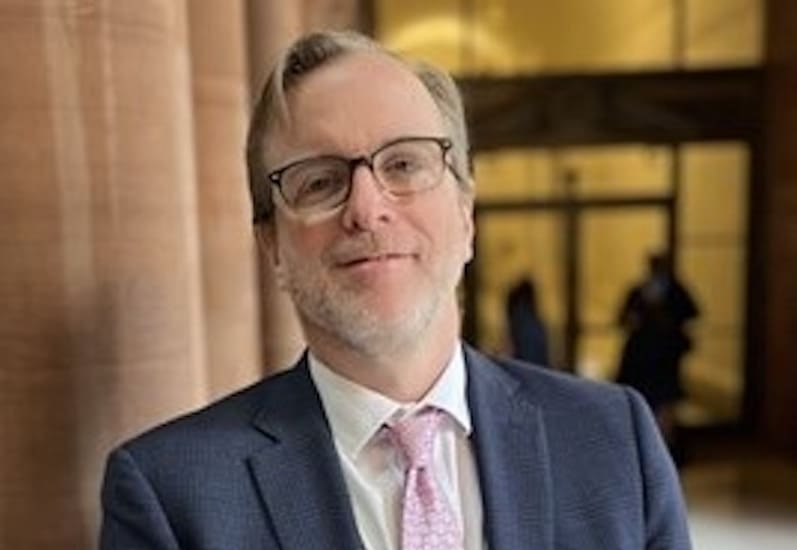
DL: VNS Health has been serving people in their homes and communities for over 130 years, through wars, economic upheaval, natural disasters, public health emergencies—and numerous elected leaders. Each administration will have its priorities, and we will develop relationships and advocate for the interests of our patients, clients and members, just as we’ve always done.
While there’s a great deal that’s still unknown about the Trump Administration’s priorities, we believe there is a lot of bipartisan goodwill for much of what VNS Health does day in and day out—which is to provide or manage care where people want it and where it’s most cost-effective: in their homes and communities.
What changes do you foresee happening in health care policy, particularly as it relates to Medicare?
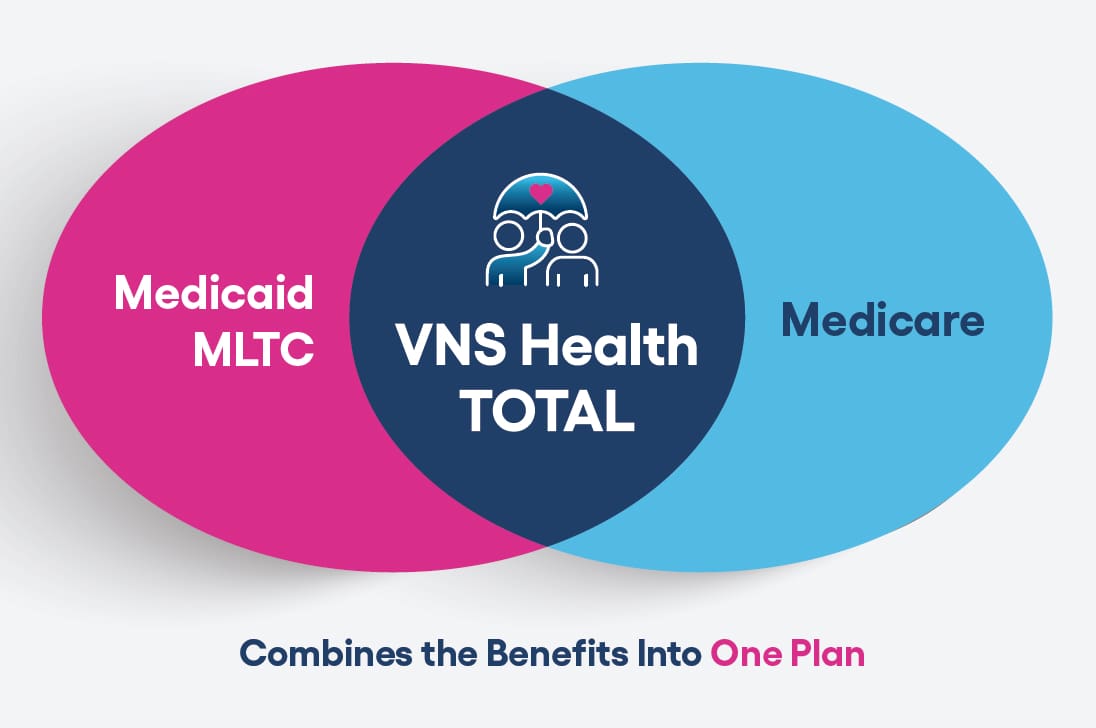
DL: One area we think holds promise is the Administration’s potential support for integrated health plans that seamlessly combine Medicare Advantage and Medicaid coverage in a single plan. These plans—which include our own VNS Health Total plan—are designed for people who are “dual eligibles,” meaning they qualify for both Medicare and Medicaid. Integrated care has a history of bipartisan support in Washington, and both the Biden and first Trump Administrations adopted policies to encourage their growth.
What other Medicare issues are you tracking?
DL: One area is Medicare Advantage (MA), which of course affects our own Health Plans. MA members now make up more than half of total Medicare enrollees. We can expect the Trump Administration to encourage more enrollment in MA plans as opposed to traditional Medicare, through policies that include changing risk models, removing burdensome regulations, and making MA the default enrollment option for beneficiaries.
The other key issues are around home health and hospice care, both of which are funded primarily through Medicare.
Of course, VNS Health provides care in both of these areas. What do you see happening there?

DL: The Biden Administration instituted numerous severe cuts to home health, which has directly impacted access to care. We hope the Trump Administration halts and reverses these cuts, given how important home health care is to keeping people out of the hospital.
As for hospice, VNS Health and other quality hospices work every day to provide compassionate end-of-life care to patients. But there are many unscrupulous hospices that are bilking the government out of millions of dollars—money that could go toward quality hospices. We hope the Trump Administration will address this.
And finally, for home health and hospice alike, lessening the administrative burdens to free up more time for patient care would be very helpful.
Shifting to Medicaid, what do you foresee happening there at the Federal level?
DL: New York State has expanded Medicaid eligibility and benefits over the years, which makes the state particularly vulnerable to any changes in Medicaid. Trump Administration officials and members of Congress have indicated support for a number of potential changes in Medicaid policy. The Trump Administration could also take a new look at two initiatives that are slated to bring in several billion dollars to Medicaid. One is an extension to the “1115 waiver,” which is meant to fund health equity initiatives and safety-net hospitals, and the other is a managed care “tax.”
Ultimately, fewer Medicaid dollars flowing into New York State would impact everyone—health plans, home care providers, doctors, hospitals, nursing homes, and of course Medicaid enrollees.
There’s been a lot of talk lately about wellness. Do you see that impacting health care policy?
DL: The U.S. has the most expensive healthcare system in the world, and yet we are the unhealthiest as a country. We have the lowest life expectancy, highest maternal and infant mortality, highest avoidable deaths, and highest obesity rates and highest rates of multiple chronic conditions. And as a country, we have focused much of our resources on “sick care” rather than wellness. So clearly, we’ve been failing on health care for a long time.
There are good ideas and bad ideas from all sides of the political spectrum. We have an obligation to hear the Administration out, to offer our experience and recommendations, and to express our concerns and support when it’s warranted.
How about immigration, which is another area that’s gotten a lot of attention?
DL: As we all know, health care, and especially home care, relies on a large immigrant workforce, many of whom are in the country on temporary status. Immigration policy changes could reduce the pool of home care workers, which in turn could impact access to home care in areas where these workers are in short supply.
What else will you be keeping an eye on?
DL: Support for care at home, versus providing care in institutions like skilled nursing facilities. There’s some indication that the Administration will undertake policies that reduce families’ reliance on institutional care, and that favor home- and community-based care. So stay tuned!