Training Home Health Aides to Provide Exceptional Care
VNS Health’s more than 7,000 Home Health Aides (HHAs) make up our largest group of caregivers. Every day, these dedicated team members help thousands of New Yorkers age safely and independently in the comfort of their own homes—where they want to be.
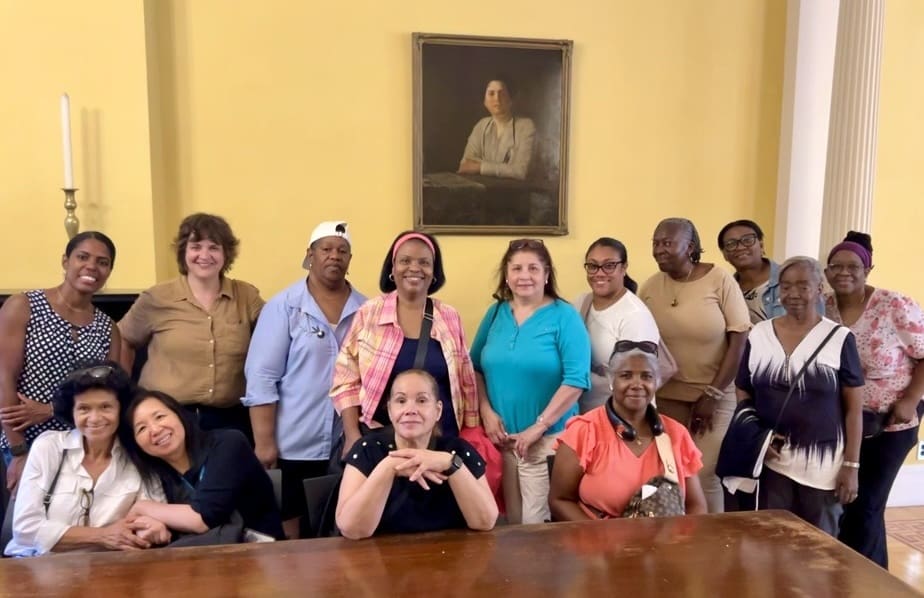
Behind every HHA, however, is another, much smaller team working tirelessly to ensure each HHA has the skills, knowledge, and support they need to provide exceptional care: our HHA Education Team.
Comprised of 10 RNs, LPNs, and Support Assistants, the HHA Education Team trains, supervises, and evaluates HHAs, helping them deliver the safe, compassionate, mission-driven care that defines VNS Health.
Their commitment runs deep. Combined, the team brings nearly 200 years of experience and has trained tens of thousands of HHAs throughout their careers, shaping generations of caregivers and helping ensure the highest quality care for the people we serve.

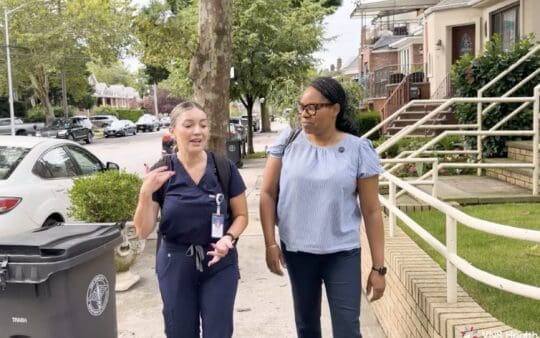
Here’s just one example of the passion and commitment this team brings to its work. As part of the trainings, Karina Williams, a Nurse Instructor on the team, has been transferred in a Hoyer lift and portrayed a client living with dementia—including wandering out the door during training exercises. She has also supported trainees as they navigated childcare challenges, immigration journeys, and other obstacles while pursuing careers as Home Health Aides.
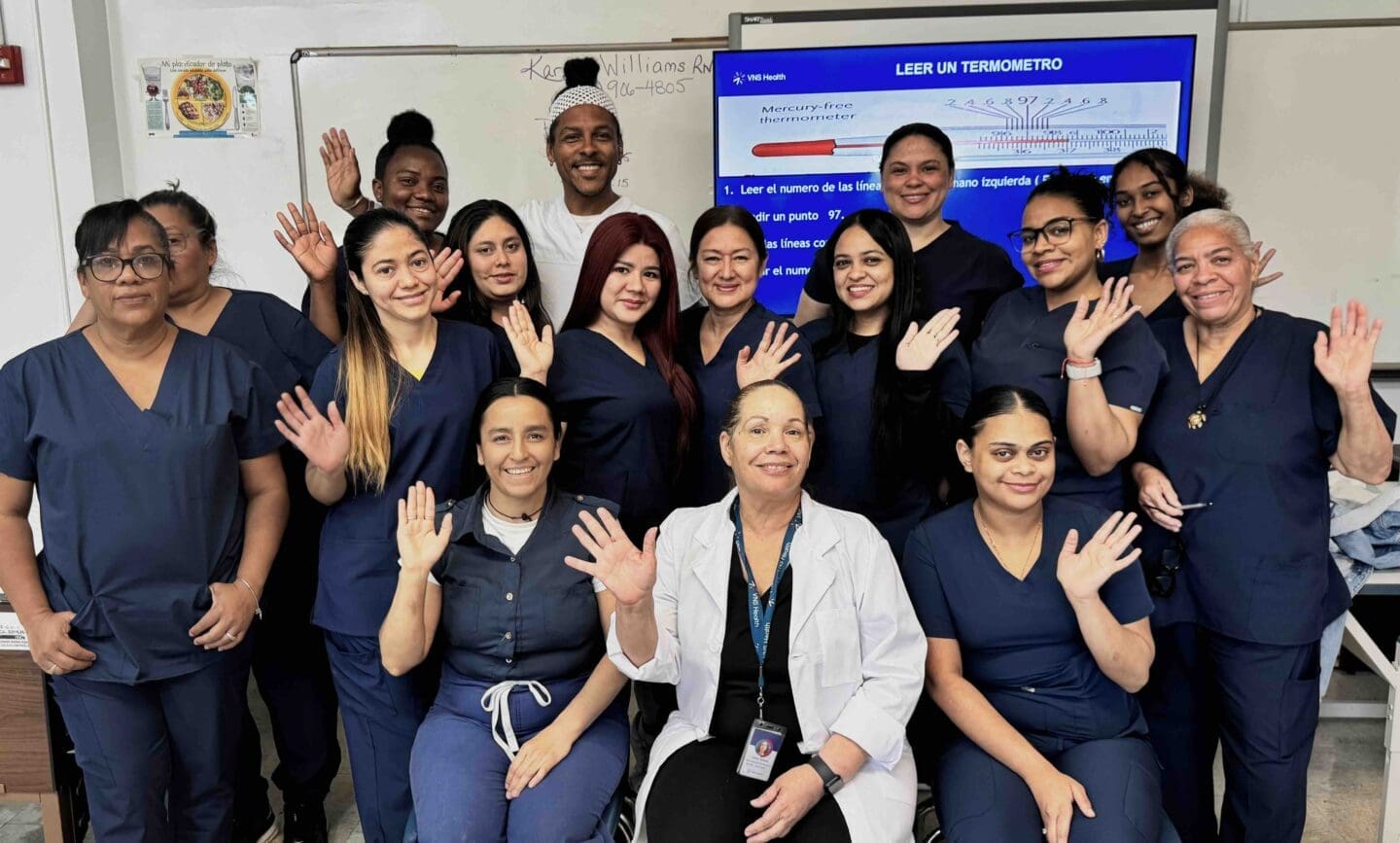
“I love what I do,” says Karina, who has been with the team for five years and leads Spanish-language trainings. “I’m preparing people to knock on a client’s door and know who they are as a representative of VNS Health and value their title as a Home Health Aide.”
In addition to Karina, the team consists of Denise Torres-Gill, Karen Wright, Helen Stewart, Deborah Dunkley, Beatriz Fabregas, Ruth King, Shirley Watkins-Constantine, Gale Storm-Bryant, and Wendy Miller-Smith.


Here, below, are six things to know about the HHA Education Team and the essential work they do to ensure our Home Health Aides feel confident and prepared each time they knock on a client’s door.
1. The team trains hundreds of new Home Health Aides every year.
In 2025, RN Instructors trained and certified 422 new HHAs — 246 in English-language programs and 176 in Spanish-language programs. Their role includes classroom instruction, hands-on skills demonstrations, competency validation, and ongoing field support.
In addition to certifying newly hired Home Health Aides, RN Instructors also give the mandatory annual in-service training that New York State requires Home Health aides to take each year. In 2025, the team provided training to 4,790 Home Health Aides already on the team, while the LPN Educator supported HHAs in completing their required online in-service training by helping them navigate the learning platform and troubleshoot technical issues, ensuring they can successfully meet mandatory education requirements.
2. Training goes far beyond basic caregiving skills.

The 18-day certification curriculum prepares HHAs to care for people with physical disabilities, chronic illness, dementia, and mental health challenges. Trainees learn communication skills, infection control, hospice care, culturally competent care — including working with LGBTQ+ clients — nutrition, rehabilitation support, and safe use of medical equipment and ambulatory devices.
3. The training is highly immersive and hands-on.
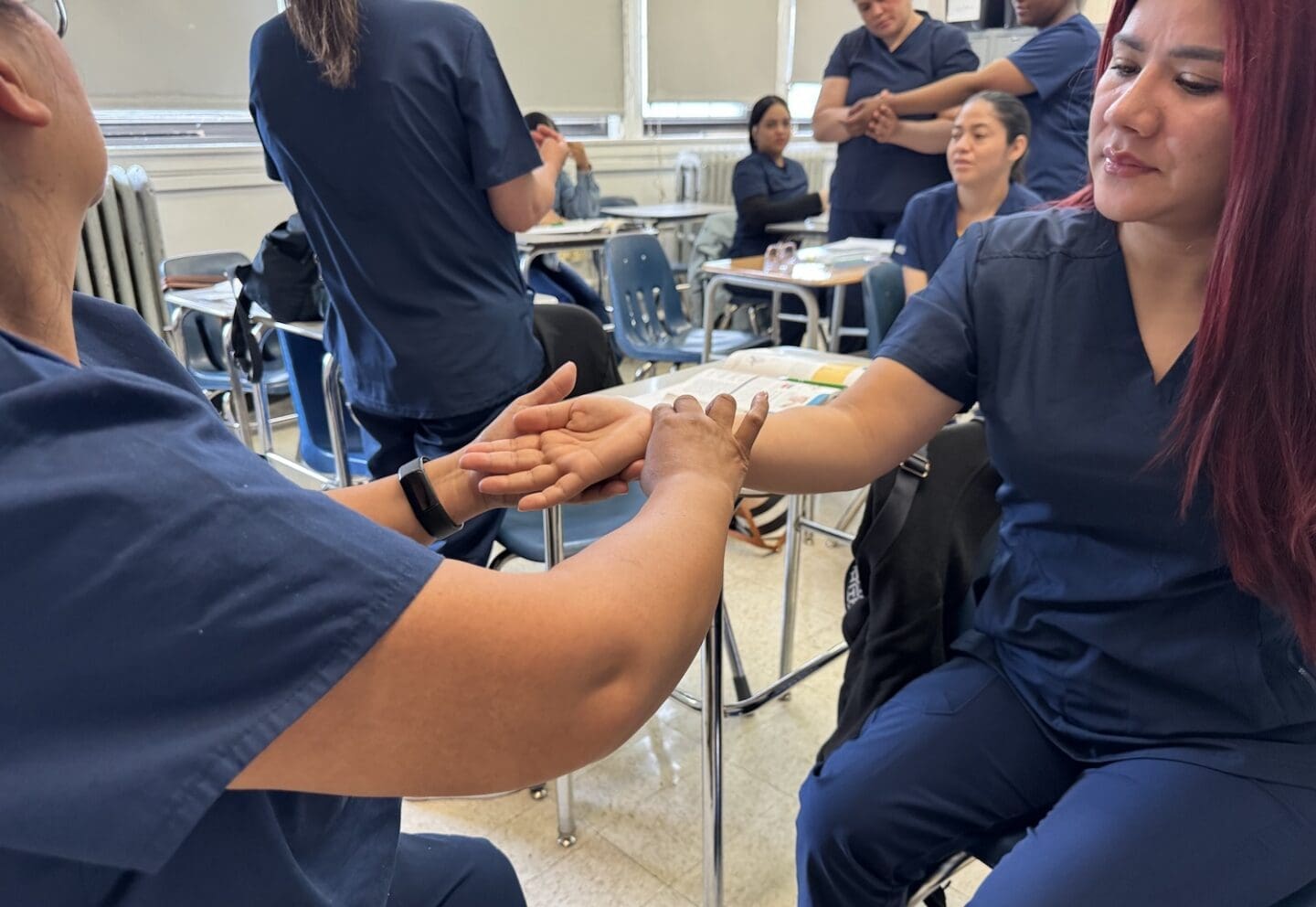
Trainees practice skills on one another and sometimes on the instructors themselves. Karina has had trainees transfer her using a Hoyer lift so they can safely experience the challenges they will encounter in the field.
The goal is to prepare each Home Health Aide for real-world situations: helping a client with dementia who is anxious or confused, understanding the dietary needs of someone with diabetes, or safely transferring a bedbound patient.
4. Critical thinking is one of the most important skills instructors teach.
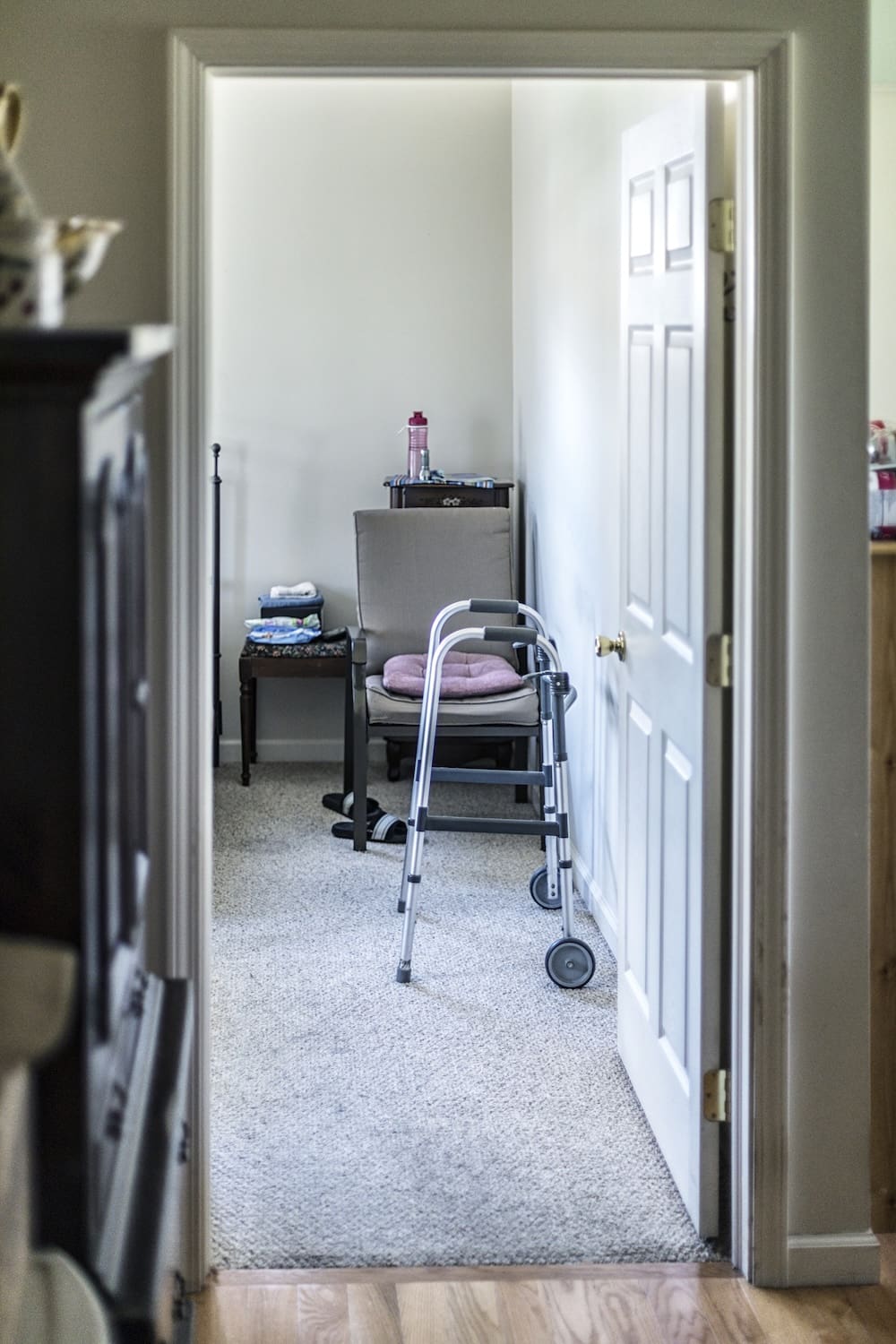
RN Instructors prepare HHAs for independent, confident field practice. Trainees learn how to recognize subtle signs of decline, maintain patient safety, and think critically about the environment around them.
For example: If a client is in bed but you notice both a wheelchair and walker nearby, what does that tell you? If a client has diabetes, where do they keep their emergency sugar source? These observations can directly affect care and safety.
5. The instructors know their work has a ripple effect on patient care.
Every class of up to 20 trainees will eventually care for countless patients across New York City and beyond.
“The instructors know that the way they shape train caregivers will have a direct impact on patient care,” says Kennya Da Matta, Director of Quality & Performance Improvement for Personal Care. “The respect, empathy, and professionalism they model in the classroom are reflected in how Home Health Aides interact with patients. They are always mindful of the people ultimately affected by what they teach and approach every lesson with that responsibility in mind.”
6. The team teaches — and models — VNS Health’s 3 Core Values.
Empathy, Agility, and Integrity are not just concepts discussed in class. The instructors embody them every day.
“I walk in with a smile and full of energy,” Karina says. “I want them to feel comfortable here. I don’t want fear to impede their learning. They want this job so much.”
Many trainees are caregivers themselves, she adds, balancing school with parenting responsibilities, caring for aging relatives, or navigating difficult personal circumstances. “The instructors cultivate a learning environment where trainees feel supported and able to succeed.”