More Than 400 HHA Team Members Shared Their Advice on How to Care for Clients with Dementia

In our latest Question of the Month, we asked:
“What approach do you find most helpful when caring for clients with dementia or other memory challenges?”
In all, more than 400 HHA team members responded to our May Question of the Month, offering thoughtful advice drawn from their firsthand experiences. Here is what Mary Cupid, a Home Health Aide team member who works in Brooklyn, said:”Since they’re in their own world, my approach is to be in there with them like a friend who can relate to them and understand what they’re trying to communicate and share.”
Mary captures what many of you expressed— that when caring for someone with dementia or other memory challenges, compassion and connection can be just as important as helping with any task or routine. While every client is different, several common themes emerged: patience, sticking to familiar routines, making meaningful connections, and meeting clients where they are.
Congratulations to this month’s raffle winners: Nature Ford, Titilayo Owolabi Akerele, and Sandra Simson.
Here, below, are some of the responses we received.
The Calming Power of Patience
One theme appeared again and again: the powerful impact of patience. Many HHA team members explained how slowing down, remaining calm, and offering reassurance can help clients feel safe and understood.

“What I most helpful is just being loving, patient, and respectful, and also having pictures of their family so they know they are loved,” said Lucy Martir.
“When the patient is having a bad day, I give them space, let them calm down for a bit, and then continue whatever activities we will do,” said Mabel Weathers.
“Speak calmly when client becomes confused or flustered. When they cannot remember or they do something the wrong way, being empathetic and reassuring always has a good outcome,” said Cecile Gabourel.
“Show them love and let them know that it is okay to be confused or forgetful,” said Dunia Chuva.
“When I speak to my client with direct eye contact, I’ve noticed she tends to really focus on just me,” said Navidad Ponce.
Familiar Sights and Sounds Can Make a Big Difference
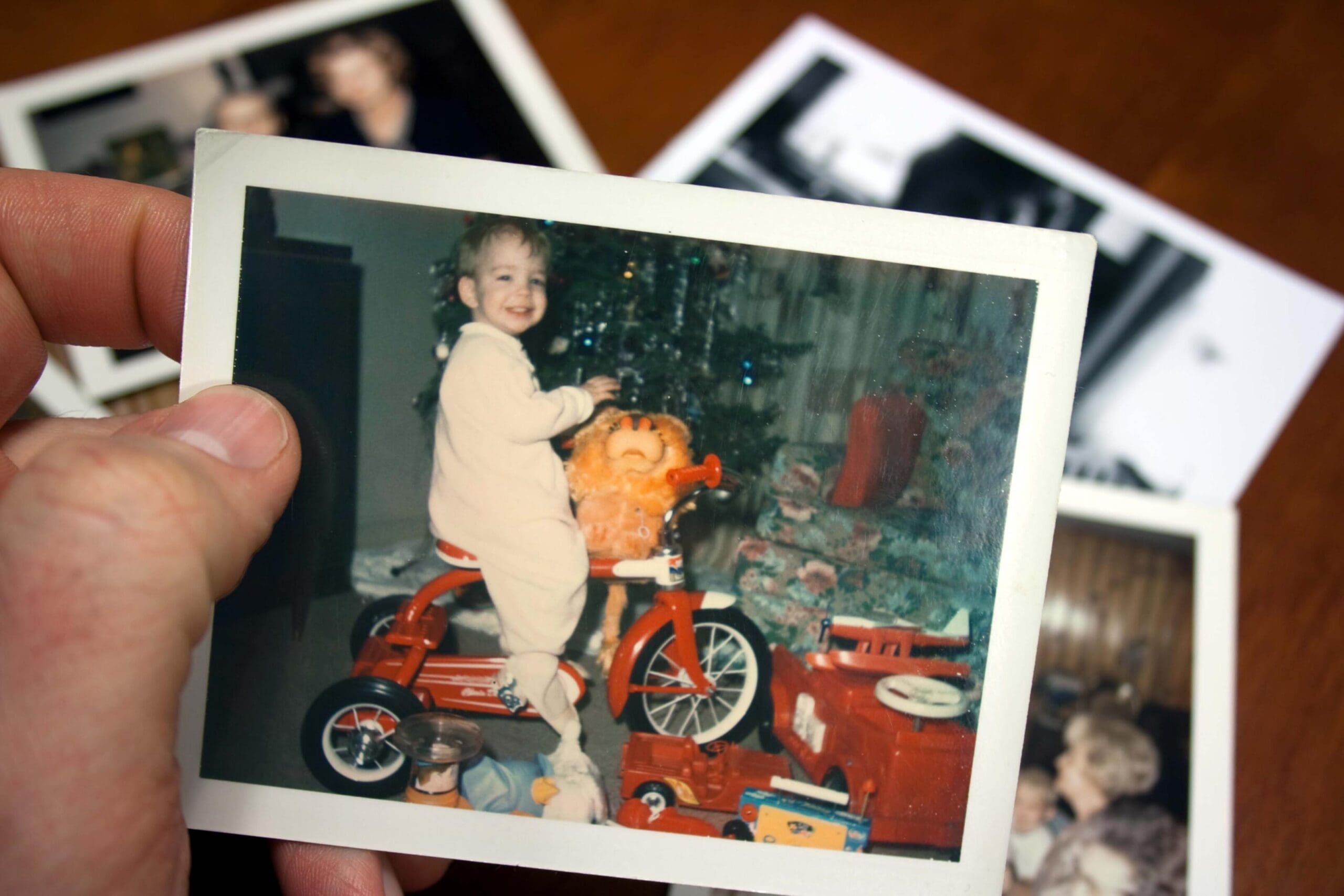
Many HHA team members use music, photographs, and familiar routines to help reduce anxiety and create moments of connection.

“Singing the patient’s favorite song and dancing, and also doing activities to challenge them like Bingo, Scrabble, Uno, and card games,” said Bregette Washington.
“Give them a lot of love and attention, and also a chance to express themselves,” said Sandra Simson. “Patiently listen to their stories, or sing their favorite song with them.”
“Use family photos and talk about each person in the photograph, and speak about happy moments from their past,” said Altagracia Frometa.
“Always put their stuff back where they put it, and don’t change or rearrange anything in their house,” said Adetokunbo Olorundero.
Meet Clients Where They Are
Another powerful lesson shared by our HHA team members is that every client experiences dementia differently. Building trust often starts by entering their world, listening closely and focusing on how they’re feeling, rather than correcting what they remember.

“The first thing I do is make sure the patient acknowledges that I’m there with them,” said Michelle Boyer. “Eye-to-eye contact and hand gestures are also a very important part of making the patient feel comfortable and helping them understand what is going on or what we are going to do.”
“I calmly request their permission to engage in conversation and activities,” said Valora Ford.
“We converse on familiar topics of their liking,” said Sandrea Reid Breakenridge.
“My strategy is validation and active listening,” said Jessica Mireya Lizarazo Grisale. “Instead of correcting memory lapses, I validate the feelings behind their words.”
“I focus on building trust and respecting the client’s dignity,” said Landry Foundjeu. “Even when their memory is affected, clients still respond to kindness, routine, and emotional connection. I pay close attention to their habits, preferences, and triggers so I can reduce confusion and anxiety.”
These responses remind us that while dementia and memory challenges can affect how a person experiences the world, compassion, patience, and human connection remain powerful tools. Thank you to all who shared their experiences—and to everyone for the care you provide every day.