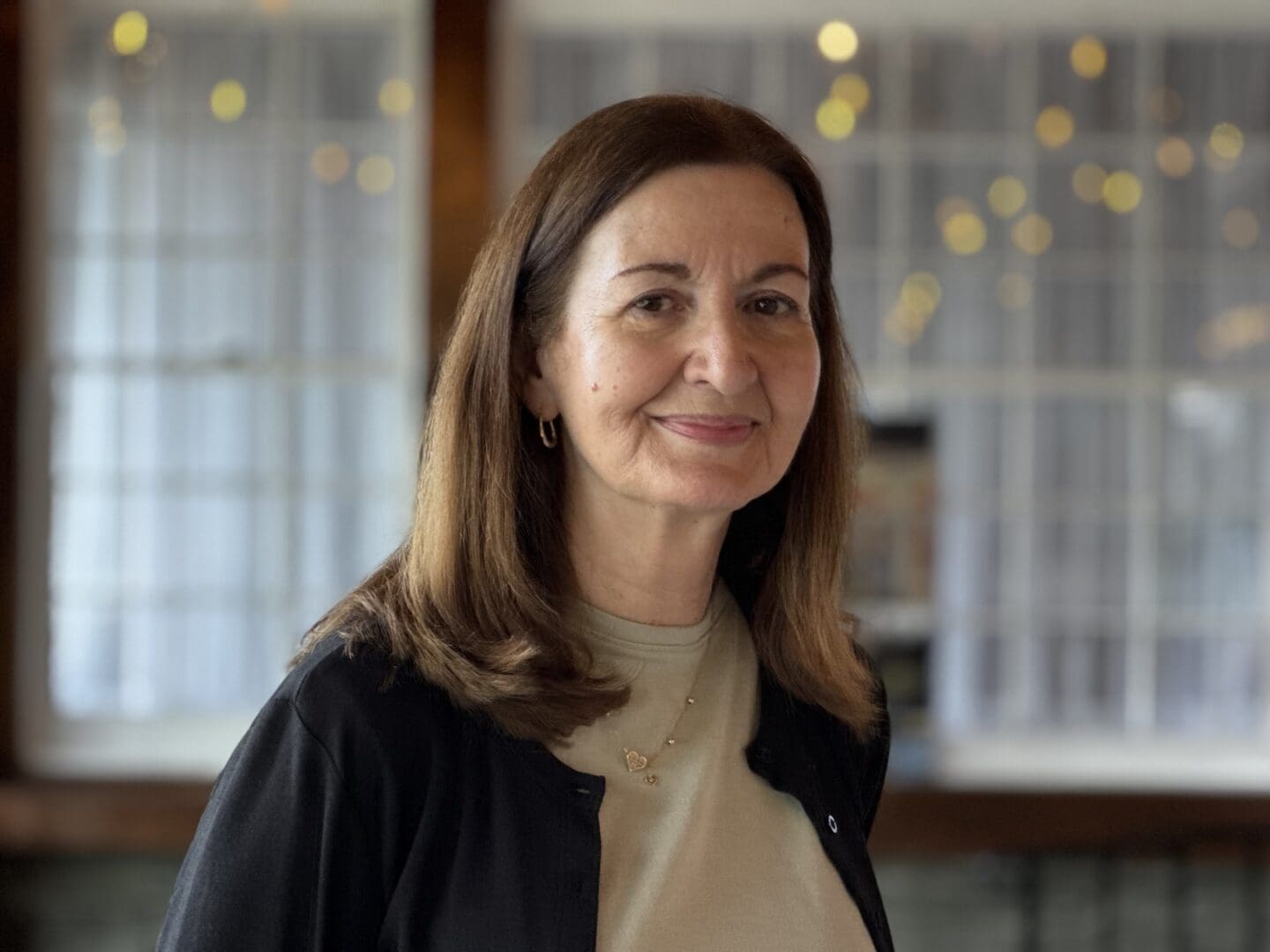
Carol Odnoha: 40+ Years of Making a Positive Difference in Mothers’ and Babies’ Lives
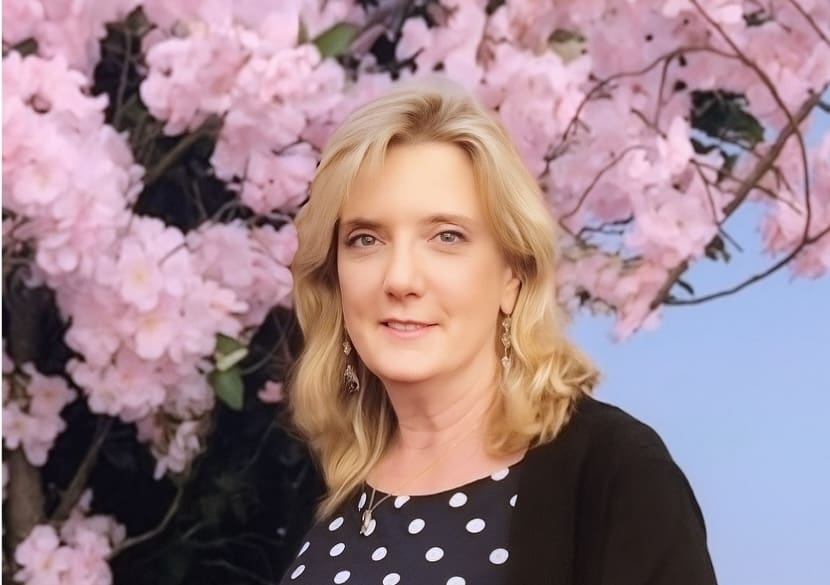
After a 44-year career at VNS Health, Carol Odnoha, Director of our Nurse-Family Partnership (NFP), retired at the end of June. Beloved by her team and colleagues across the organization, Carol has been instrumental in improving life for thousands of New York families—with a dramatic ripple effect across communities and over time.
In the NFP programs that Carol oversaw in the Bronx and Nassau County, specially trained nurses are paired with young, first-time mothers. These NFP nurses meet with their clients regularly, starting in pregnancy and continuing until the child’s second birthday, to support the health of mother and infant, advise on child development, and provide career guidance.
We recently sat down with Carol to talk with her about her distinguished career, her dedication to vulnerable parents and children, and her commitment to always moving VNS Health forward, so that the organization can serve more families in need.
You’ve been with VNS Health for four decades. What about this organization are you most proud of?
Carol: One of the things I’m proudest of is that the organization has stayed true to its mission. I could always feel good about working here, that I was doing something important, making a positive difference in people’s lives.
What are some of the biggest changes you’ve seen while you’ve been with VNS Health?
The amazing growth of the organization—that and technology. When I started here, everything was on paper. Nurses actually did their own filing!
Before you came to VNS Health, you were a nurse in pediatrics at Mount Sinai Hospital. Why did you transition to home care?
Carol: I had my own child and wanted a more regular schedule. But as soon as I got involved in home care, I wished I’d done it from the beginning. In the hospital, you’re just getting snapshots. But as a nurse in the home you can address how people are doing in their own environment. You can form longer-term relationships and do a lot of preventive care right in the home.
At VNS Health, you started out as a maternal child health and pediatrics nurse in Queens. What are your memories of that time?
Carol: I remember one family in particular. Their second child was born with an extremely rare disorder that required the parents to learn very skilled care. Because I had the advantage of going into their home and seeing their lives, I focused not just on the medical issue but on the well-being of the whole family. I not only taught them about the infant but also worked with them on considering the needs of their older child, who was four, and on making sure the mother got the time she needed to recharge.
Did your experiences in that role inspire you to get involved with the NFP?

Carol: They did. Another case I remember from that early time was a young teenage mom with twins, one of whom had a bad fracture and was in a spica cast. There was a lot of teaching to do about how to care for the cast. But there was much more to it than that. The mother was very young and had a lot of demands on her. And she had been reported for abuse that may have led to the fracture. So how do you get supports in the home for the mother more long-term to help her with whatever she needed to better care for these children? That type of case made me very receptive to the Nurse-Family Partnership model, which fosters support and prevention early on, beginning even before the child is born.`
How did you first learn about the Nurse-Family Partnership?

Carol: I was going for my Master’s in Public Administration in Health Policy and Management, at New York University. As part of our capstone project, a group of us was asked to develop a strategic plan for the New York City Department of Health. Through interviewing people for that project, I learned about the Nurse-Family Partnership and that they were looking for a provider in the Bronx. I let them know how interested we were at VNS Health, and we answered a request for proposals. We were initially funded for two teams, but then we were asked to expand pretty quickly. Today, we have the largest independent NFP in New York City, serving about 750 families a year in the Bronx and about 150 families in Nassau.
How would you describe NFP’s impact?

Carol: It’s about the future, making a difference in the next generation. It’s prevention at its earliest. We’re working with parents before they become parents, helping them with the relationship and development and future of their child but also with their own development. We know that the better that the parent does in life, the better the child is likely to do. So it’s really teaching the parents how to improve their own life course. We help the parent meet their own goals to ultimately become self-sufficient, whether that’s making sure they get their high school diploma, thinking about college, getting into the workforce, or learning about career development opportunities.
Does this impact extend beyond your individual NFP clients?
Carol: Absolutely. We’re working with one family at a time, but ultimately the program also impacts the neighborhood and the communities they live in. Someone we work with tells a friend or a sister about the program. Someone who knows us refers their granddaughter. Recently I attended an NFP graduation in Nassau, and one of the graduates said she kept all the educational printouts her nurse had given her and is sharing them with other pregnant women she knows. That’s the expanded impact to the community.
Do you hear from NFP moms after they leave the program?
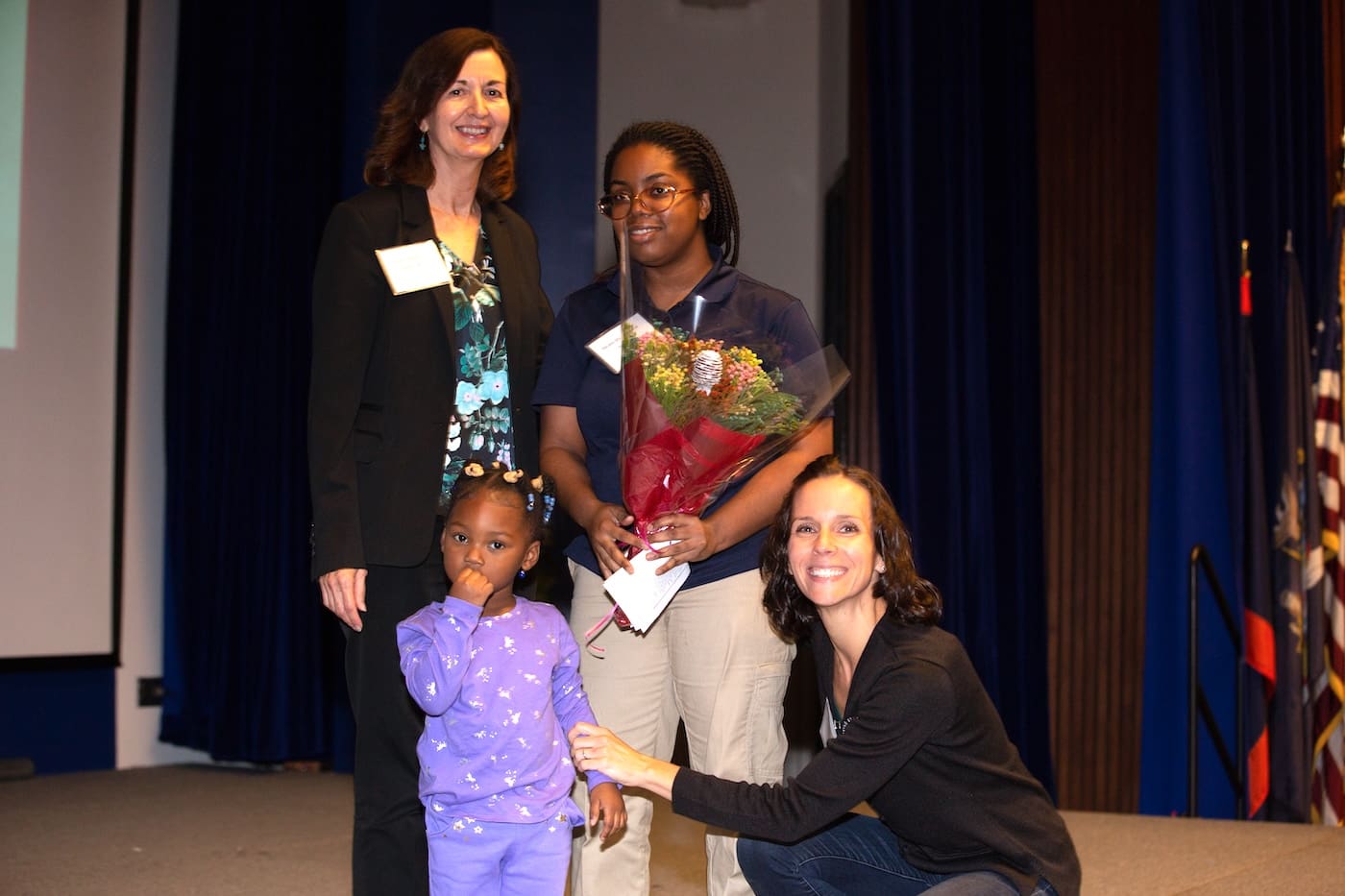
Carol: The nurses do all the time, and I hear their stories. We did get a letter as an organization from one mom we served years ago in the Bronx. She had gotten married, moved to Florida, and had a second child. The children were both in school, doing great. The mother had a good job, and they’d purchased a home. She just wanted to thank us for the program, and for all that her NFP nurse had done for her and her child to help them get to this place.
How would you say the program has impacted you personally?
Carol: It’s helped me to see the potential in people. The families we’re working with don’t have a lot of resources and they’re often dealing with many longstanding challenges. And yet, with real caring and dedicated attention by a talented nurse, they’re able to overcome a lot, have a healthy pregnancy and birth, guide their child’s development, and do well for themselves, too, whether that’s a college degree or a job. We’ve seen homeless women go on to get apartments and really become self-sufficient. It makes me feel so good about what we do.
Do you have any parting thoughts in these last few days before your retirement?
Carol: Nobody does this alone. I thank everybody in the organization who has helped me to do the work I get to do. I’ve gotten so much support over the years, from Government Affairs, Development, Finance, HR—everyone you can think of. And I’ve had the opportunity to work with very high-caliber clinicians. The nurses, the people on the front lines—the level of skill they bring to their work, as well as their passion and commitment, is amazing to see.